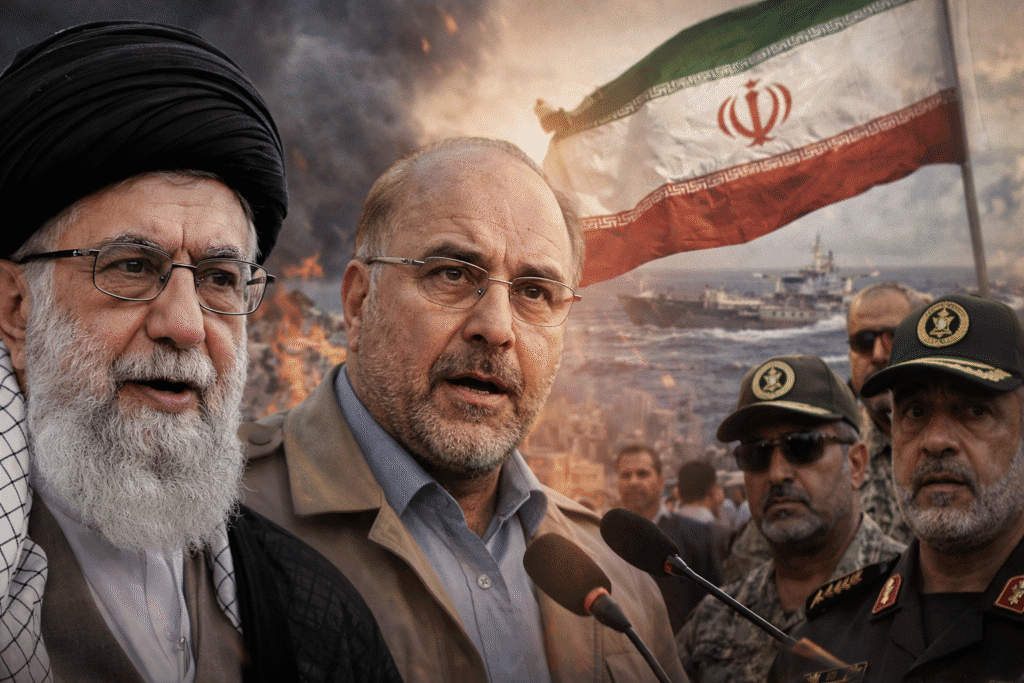
Despite suffering significant leadership losses, Iran has indicated that it is prepared to prolong its ongoing conflict with the United States and Israel, signalling a strategic shift aimed at reshaping the regional balance of power in West Asia.
Over the past three weeks, Tehran has faced intense military pressure, with repeated strikes reportedly eliminating several senior officials and key command structures. However, Iranian leadership continues to project resilience, emphasising its willingness to endure further losses while maintaining its stance against its adversaries.
According to international reports, Iran’s strategy goes beyond immediate military objectives. The country is seeking to redefine the geopolitical landscape of the Middle East by pushing for a new regional “status quo.” This includes demands for war reparations, revised alliances among Gulf nations, and a restructuring of long-standing ties with the United States.
Iranian officials have also adopted a firm tone regarding ceasefire conditions. Parliamentary Speaker Mohammad Bagher Ghalibaf stated that any halt in hostilities must ensure long-term security and prevent the opposing side from regrouping and launching future attacks. He stressed that the conflict would continue until Iran’s conditions are met and its adversaries face consequences for their actions.
Another key demand from Tehran involves changes to maritime protocols in the Strait of Hormuz, one of the world’s most critical energy corridors. Iran has proposed new conditions for safe passage through the strait, potentially including stricter regulations or economic measures affecting global shipping.
Analysts suggest that Iran’s approach reflects a broader goal of establishing itself as a central player in a new regional equilibrium. Rather than seeking immediate military victory, Tehran appears to be leveraging asymmetrical strategies to increase the economic and strategic costs for its opponents, particularly through disruptions to global oil trade.
Experts note that while Iran may not be gaining conventional battlefield advantages, its ability to sustain pressure could test the tolerance levels of the United States and its allies, especially as energy markets and supply chains face continued instability.
As the conflict continues to evolve, the focus is shifting from short-term military outcomes to long-term geopolitical consequences, with Iran positioning itself as a key force in shaping the future dynamics of the Middle East.
Originally published on 24×7-news.com.